 Small actions can build a better tomorrow.
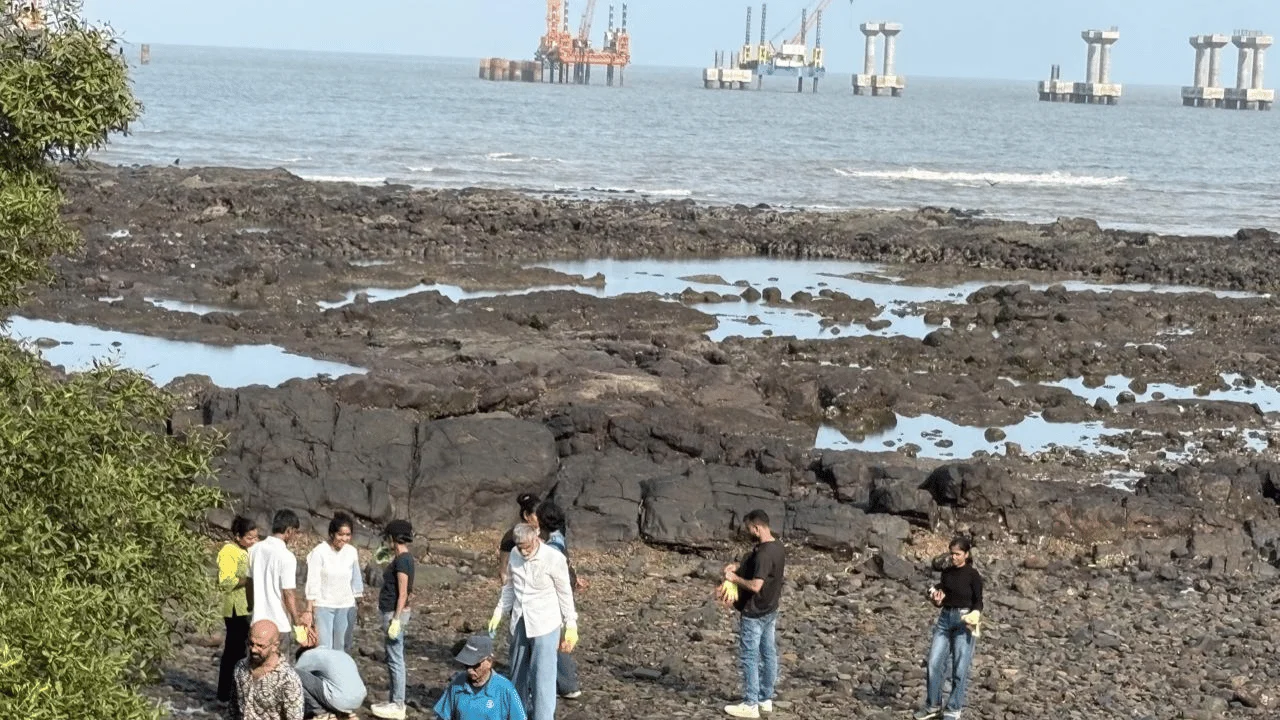
The monsoon brings welcome rain, but much of it flows away before it can be useful. Water harvesting means collecting rainwater or helping it soak into the ground, so more of it stays close to where it falls.
In a village, water is part of almost every daily task—from growing crops and caring for cattle to washing and keeping homes clean. Saving rainwater can ease pressure on existing sources and help people prepare for drier months.
When rainwater is conserved close to where it falls, it continues supporting the land and its people long after the rain has stopped
— Ghar Kar Foundation
Saving Rain for Tomorrow
There is no single solution for every village. Some places may benefit from restoring a pond. Others may need recharge structures or a way to collect rain from rooftops. The right choice depends on the land, soil, rainfall and the people who use the water.
Local residents often know where rainwater flows, where it collects and which areas run short first. Their knowledge is an important part of planning a useful system.
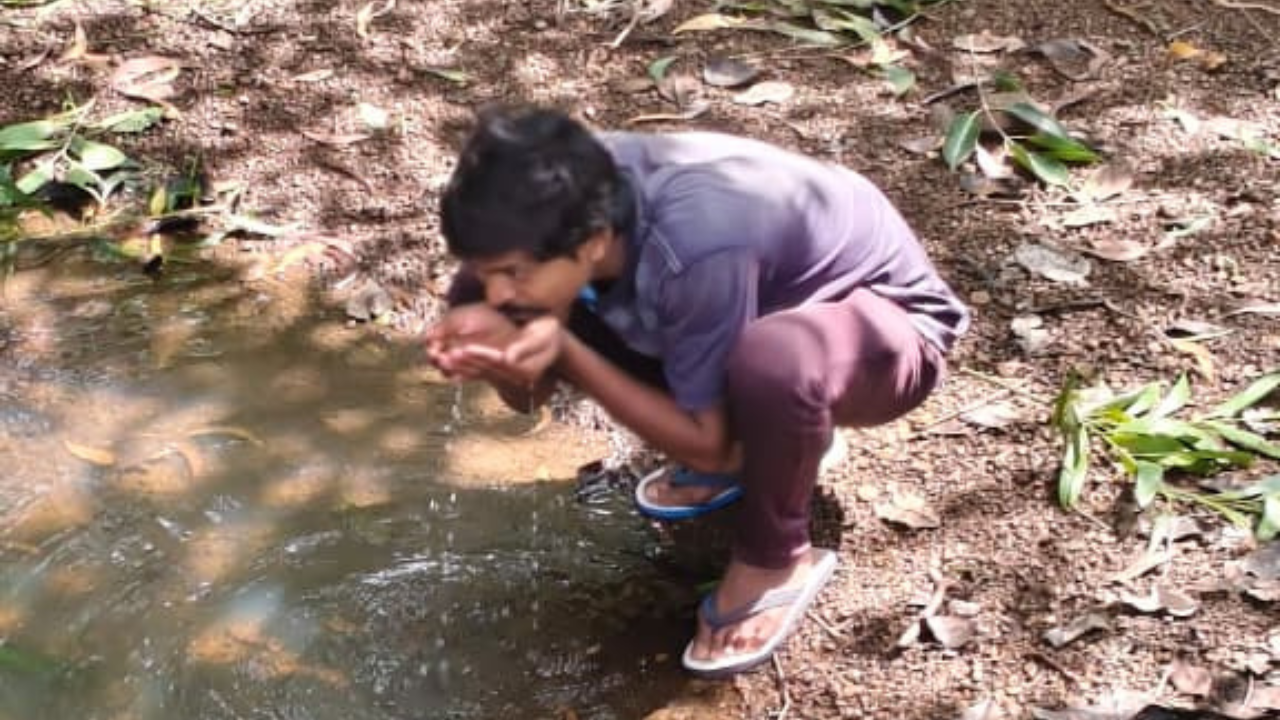
Water harvesting systems need care after they are built. Keeping them clean, clearing blockages and repairing damage helps them remain useful through future monsoons. When residents understand the system and share its upkeep, it becomes part of village life.
Saved water can support crops, cattle and young trees, while easing some of the daily pressure on families. Through its Water Harvesting initiative, Ghar Kar Foundation encourages practical ways to conserve rainwater that suit local needs.
Each village shares its water resources. Looking after them together can help the community make better use of the rain it receives.